Roof Failures That Cannot Wait for a Standard Schedule
Storm damage roof repair in Miami Gardens for residential and commercial roofs with active water intrusion after severe weather
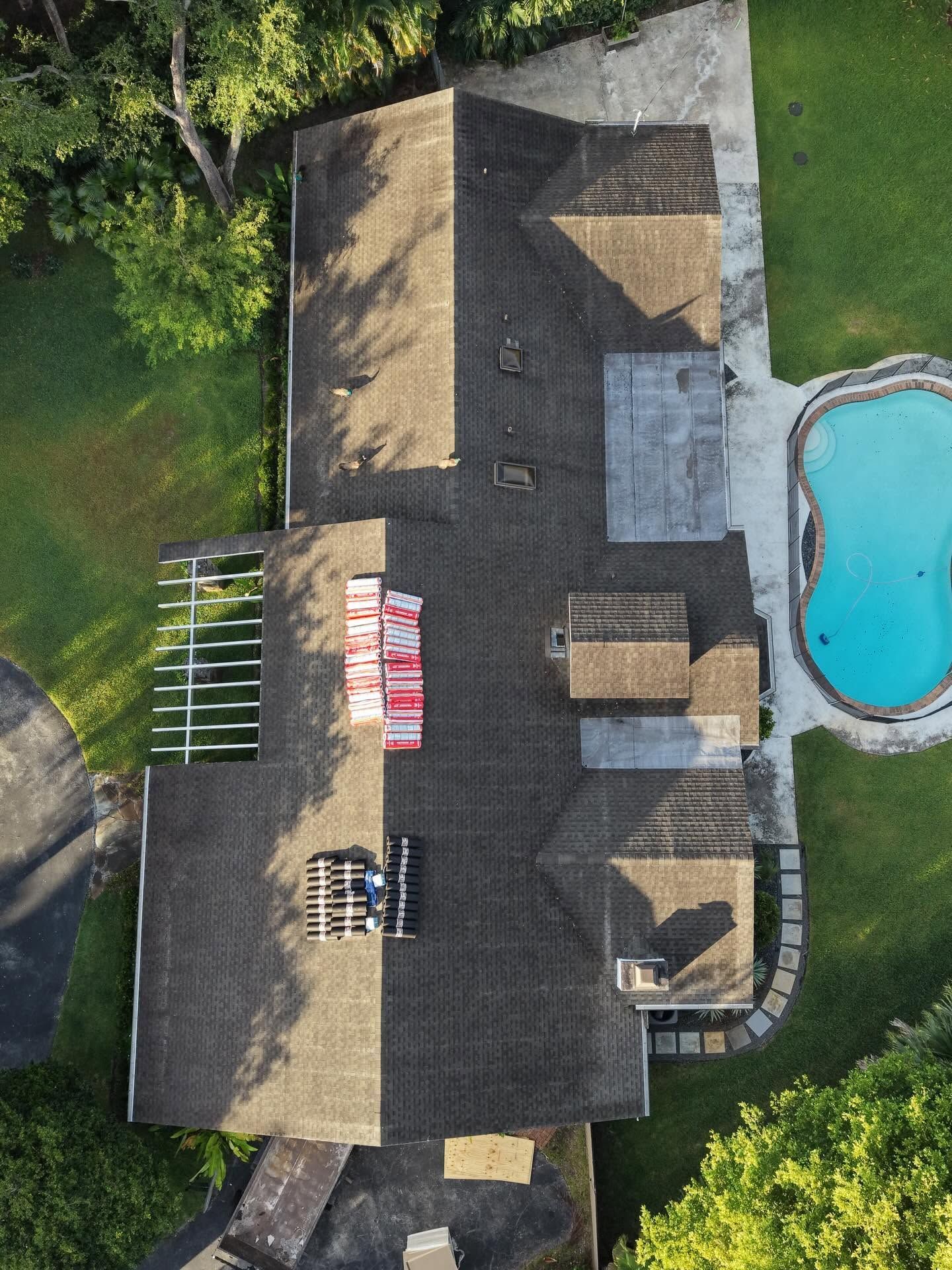
A roof that has been compromised by storm damage is an open system—water enters continuously until the breach is physically covered, regardless of where the repair or replacement work stands in the permitting queue. Triton Roofing Experts responds to storm damage in Miami Gardens with emergency tarping as the first action, deployed to stop active water intrusion before any inspection or repair schedule is set. That immediate step is what prevents a roof failure from becoming a ceiling failure, a drywall replacement, or a mold remediation project inside the structure. Once the tarp is in place and water entry is stopped, the crew conducts a free inspection to document the structural damage, photograph the failure points, and determine whether the scope of work is repair or full replacement.
Storm damage repair in Miami Dade follows the same three-inspection sequence as any structural roof work: tear-off, in-progress, and final. Triton Roofing Experts holds its own contractor license and manages the permitting and inspection workflow directly, which matters when post-storm inspection backlogs extend the timeline and a property needs its repair sequenced correctly to avoid compounding damage while waiting. The free inspection also produces the photographic documentation that most insurance carriers require before processing a storm damage claim—having that documentation in place before the adjuster visit supports a complete claim submission.
Call Triton Roofing Experts at (305) 239-6995 to deploy emergency tarping and schedule a documented inspection of the storm damage to your roof.
How Storm Damage Repair Addresses Roof Failures
Emergency tarping is not a repair—it is a bridge that holds the building envelope closed while the repair process moves through its required stages. The tarp is secured over the damaged area in a way that accounts for wind load, because a tarp that fails in the next weather event compounds the damage rather than limiting it. After the tarp is confirmed secure, the inspection identifies the full extent of structural damage: missing or displaced tiles, torn or lifted membrane sections, damaged decking, compromised flashing, and any structural framing affected by prolonged moisture exposure before the tarp was deployed. That scope informs whether the property needs targeted repair or full re-roofing.
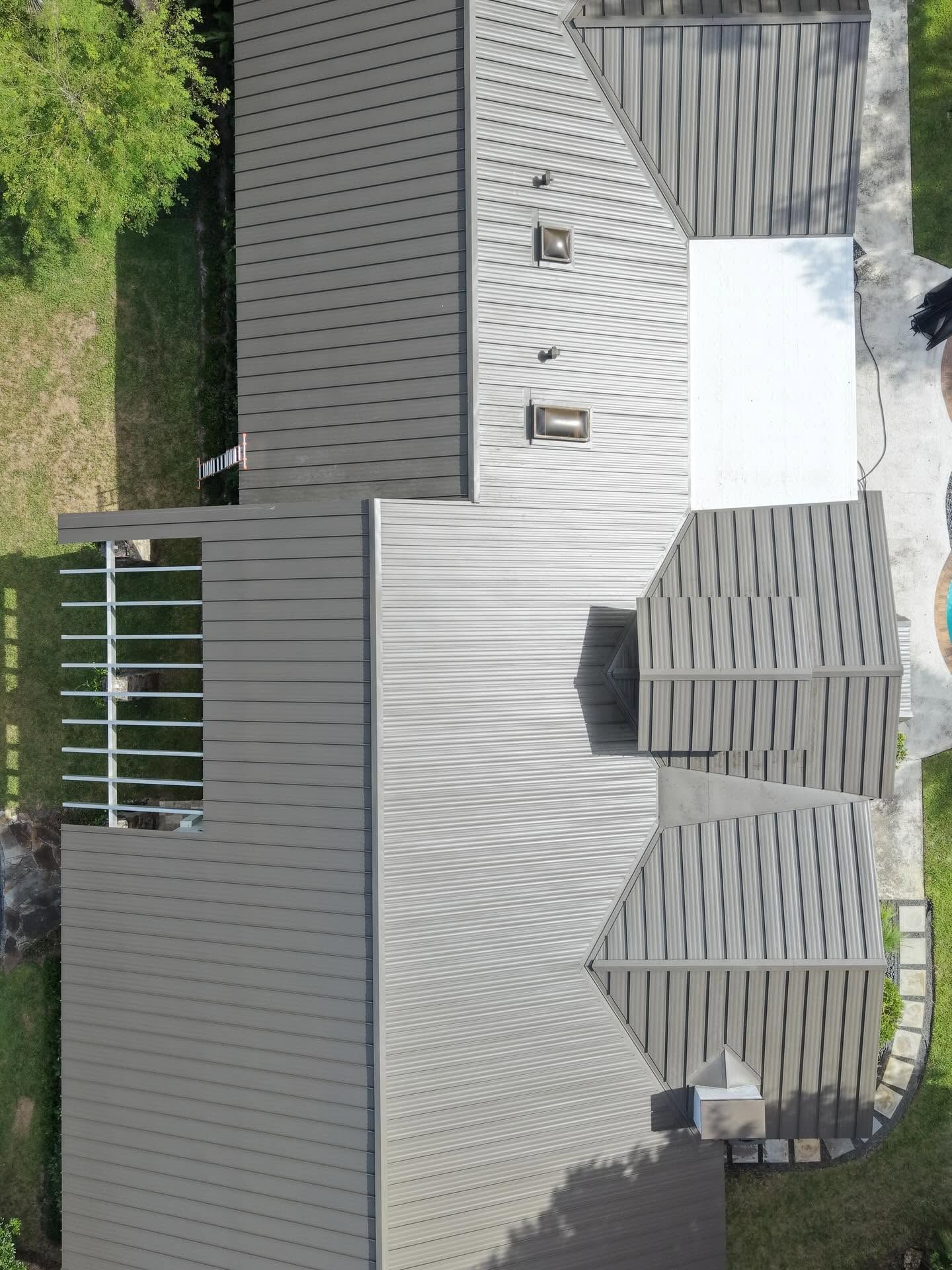
Once repair work begins and clears the required Miami Dade inspection stages, the observable result is a roof that is structurally continuous again—no open sections, no displaced materials, and no active entry points for water. Properties in West Kendall with concrete tile roofs often sustain damage at the ridge and hip cap tiles, which are held by mortar beds that crack under wind load rather than by mechanical fasteners. Those failures are not always visible from ground level, which is why the post-storm inspection includes the ridge and hip lines specifically, not just the field of the roof where damage is easier to spot.
Insurance documentation is a practical part of the storm damage repair process. The photographic record from the initial inspection, combined with the written damage assessment, gives the carrier and adjuster a baseline for the claim that is produced by a licensed contractor rather than the homeowner alone. Triton Roofing Experts does not act as a public adjuster, but the inspection record it provides is the starting document for the claim process and includes the information adjusters need to assess the scope of loss.
What Property Owners Ask About Storm Damage Repair
These questions address how storm damage is assessed, documented, and repaired on residential and commercial roofs in Miami Gardens, with attention to the inspection and permitting process Miami Dade requires.
What does emergency tarping actually cover, and how is it secured after a storm?
The tarp covers the structural breach—the area where the roof surface or underlying membrane has been displaced or removed—and is fastened using wood battens screwed into the decking or existing structural members at the perimeter of the damaged section. The goal is to hold the tarp against wind load from the next weather event, not just to lay it flat over the opening, which is why the fastening method matters as much as the tarp placement.
How does the post-storm inspection determine whether a damaged roof needs repair or full replacement?
The crew evaluates the extent of structural damage to the decking, the condition of the underlayment across the full roof area, and whether the existing tile or membrane system can be restored to a weather-tight condition with targeted repairs. A roof where the damage is isolated to a section with sound surrounding materials is typically a repair candidate; a roof where the inspection reveals widespread underlayment failure or decking compromise across a large area warrants a full replacement discussion.
What inspection stages does storm damage repair require in Miami Dade, and how does that affect the repair timeline?
Storm damage repair that involves structural work—replacing decking, removing and relaying roofing materials over a significant area—follows the same three-stage inspection sequence as any major roofing project in Miami Dade: tear-off, in-progress, and final. Each stage must be inspected and approved before the next phase of work begins, which means the timeline is governed by inspection scheduling rather than crew availability alone.
How does the inspection documentation support an insurance claim after storm damage?
The inspection produces a photographic record of the damage condition—breach locations, displaced materials, decking exposure, and any interior evidence of water intrusion—along with a written damage assessment identifying what failed and how. That documentation, produced by a licensed contractor before the adjuster visit, gives the carrier a complete picture of the loss condition at the time of inspection rather than relying on the homeowner's account alone.
What failure points on a Miami Gardens tile roof are most commonly missed after a wind event?
Ridge cap and hip cap tiles are the most frequently overlooked failure points because they are not visible from ground level and are held by mortar rather than mechanical fasteners. Wind events sufficient to displace field tiles almost always crack or shift the mortar beds at ridges and hips, leaving gaps that allow water to enter along the entire length of the ridge line even when the field tiles appear intact from below.
Triton Roofing Experts is available for emergency tarping and post-storm inspections on residential and commercial properties in Miami Gardens, with licensed permit management through Miami Dade's required inspection process. Triton Roofing Experts also performs storm damage repair in Miami, Aventura, Coral Gables, Palmetto, and Homestead. Call (305) 239-6995 to start the inspection and documentation process for your property.