Roof Replacement Done to Permit Completion
Roof replacement in Miami Gardens for homes with tile systems failing inspection or triggering insurance action
A roof replacement becomes necessary at the point where repair costs accumulate faster than they resolve the underlying condition—or when an insurance carrier issues a notice requiring documented replacement within a defined window. Triton Roofing Experts handles complete roof replacements in Miami Gardens, including the full permitting sequence that South Florida's inspection requirements mandate. That sequence—three separate inspections per project, each at a different phase of the work—cannot be shortened, and managing it correctly is what separates a compliant final sign-off from a stalled project that cannot close permits.
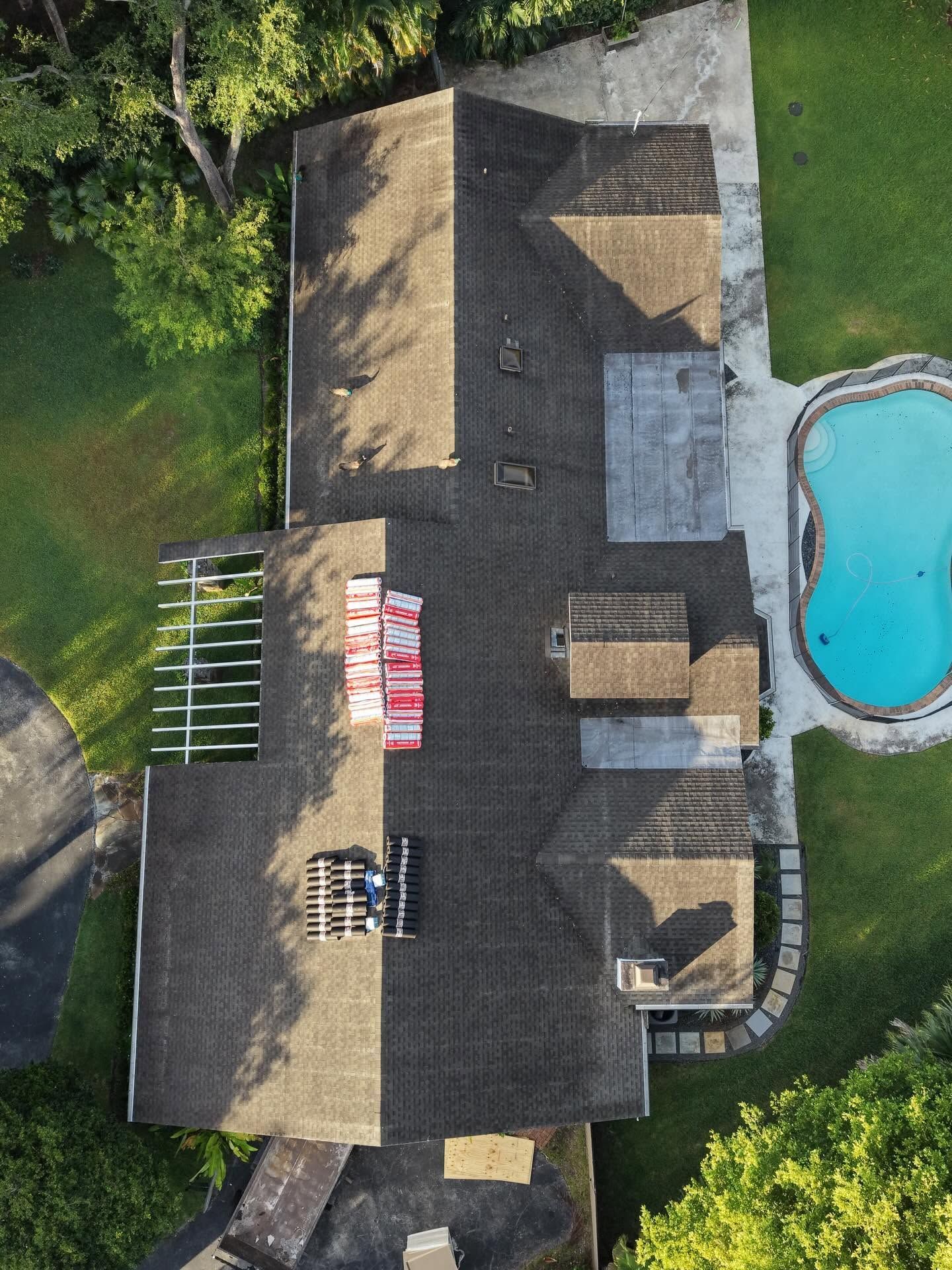
Replacement begins with a free inspection to document existing conditions and determine material options. West Kendall properties, many of which were built in the late 1980s and 1990s with concrete tile as the standard roofing material, frequently reach replacement thresholds when the underlayment beneath the tile saturates and cannot be rehabilitated through surface repair alone. For those properties, the in-progress inspection—conducted after the tear-off exposes the deck—is where deck condition is formally assessed and any required deck repair is incorporated into the permitted scope. Material selection follows: aluminum for properties within half a mile of the ocean, Galvalume 24 gauge for inland locations, with concealed fastener installation in both cases.
Schedule a free inspection to document your roof's condition and identify replacement options matched to your property's location and insurance requirements.
How the Replacement Process Moves From Tear-Off to Final Sign-Off
The three-inspection framework defines the project timeline in a way that requires active coordination rather than continuous labor from start to finish. The tear-off inspection occurs before any material is removed, establishing the permitted baseline. Once the deck is exposed, the in-progress inspection confirms deck integrity and scope compliance before installation begins. After the new system is fully installed, the final inspection closes the permit. Triton Roofing Experts manages permit applications, inspection scheduling, and the hold periods between each phase—homeowners do not have to track those milestones independently.
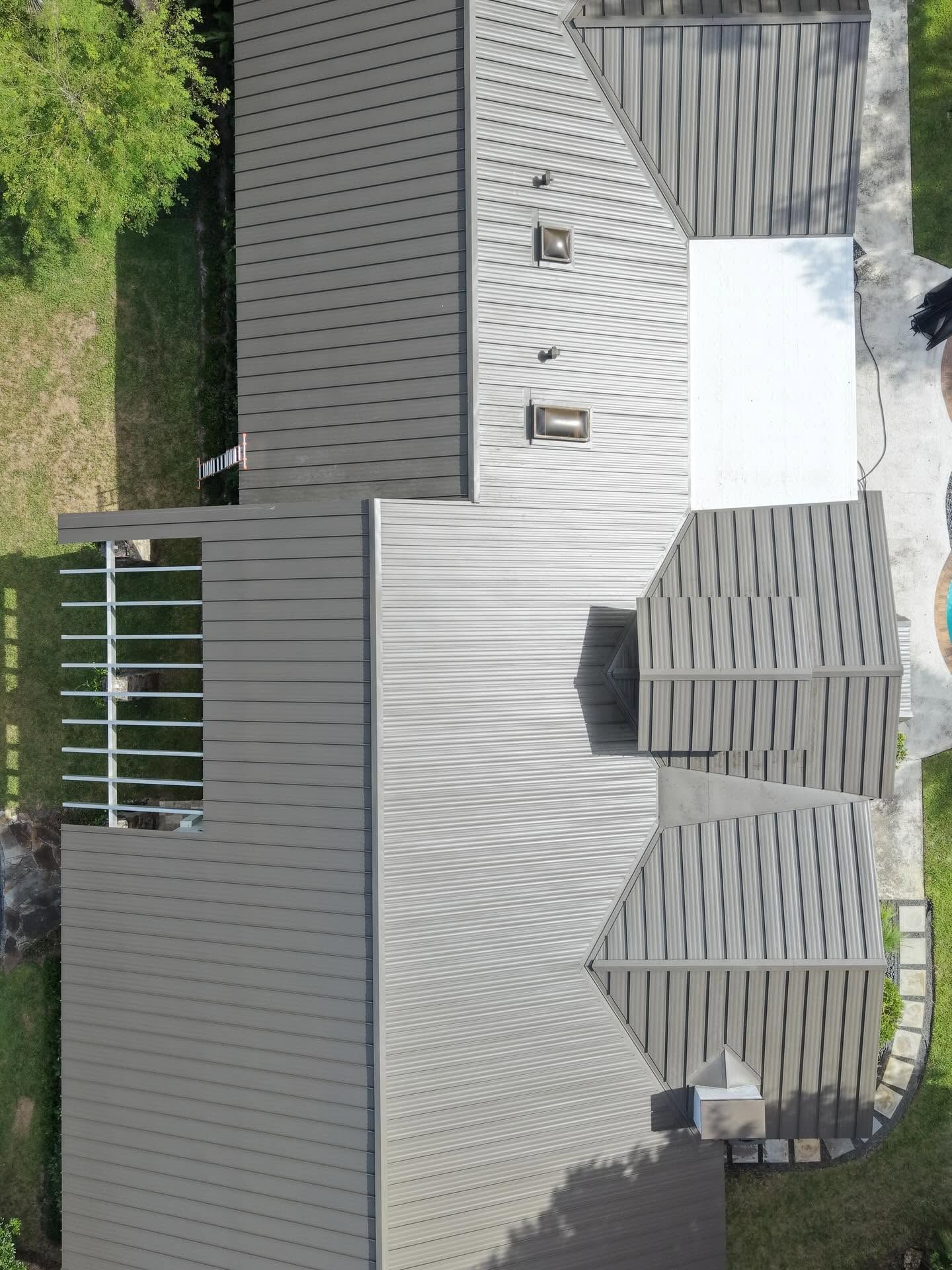
After final inspection sign-off, what you notice is a roof system that carries a documented compliance record—not just a completed installation, but a permitted and inspected one. That distinction matters when you provide the paperwork to your insurance carrier, because carriers in this market increasingly distinguish between permitted replacements and unpermitted ones when evaluating coverage eligibility. The concealed fastener metal system also eliminates the visible screw heads that tile or exposed-fastener metal would leave, so the finished appearance is clean panel runs across the surface.
Financing is available for qualifying replacement projects. Triton Roofing Experts holds its own contractor license—a detail that affects permit submission in Miami Dade, where the permitting office verifies license status as part of the approval process. Projects that require deck replacement sections, additional flashing at penetrations, or modified drainage paths are addressed within the same permit scope rather than added as separate unpermitted work.
Answers About How the Replacement Work Is Done
The following questions address how roof replacement is performed in Miami Gardens and what the process involves at each phase, including the permitting requirements specific to properties in this county.
What does the tear-off inspection require before removal starts?
The inspector visits the site before any material is disturbed to document existing conditions and confirm the permit scope is accurate. Work cannot legally begin until that inspection is signed off, so the scheduling of this visit is the first critical coordination point in the project.
How is the deck evaluated during an in-progress inspection?
Once the old roofing material is removed, the deck surface is exposed and the inspector assesses structural integrity—looking for delamination in plywood decking, fastener pull-through, soft spots indicating prior moisture saturation, and any sections that fail load requirements. Sections that do not meet current code are replaced before installation proceeds.
Why does the metal system use concealed fasteners rather than exposed screws?
Concealed fasteners eliminate weather-exposed penetration points on the panel surface. Exposed screw systems rely on rubber washers at each penetration to prevent water intrusion, and those washers degrade over time—typically faster in high-UV environments. Concealed systems remove that maintenance requirement entirely.
What is the difference between aluminum and Galvalume 24 gauge for replacement projects in this area?
Aluminum is specified for properties within half a mile of the coastline because it resists chloride-driven corrosion at high salt concentrations without relying on a coating that can be damaged. Galvalume, which is steel with a zinc-aluminum alloy coating, is appropriate for inland properties where salt exposure is lower and the coating remains intact under normal conditions.
How does a completed replacement affect insurance carrier review in Miami Gardens?
A permitted and inspected metal replacement provides carriers with documentation that the new system meets current Miami Dade wind mitigation standards. That documentation is typically what carriers require to reinstate coverage or remove a cancellation notice, and it must reference the permit number and final inspection sign-off to be valid.
Triton Roofing Experts also performs roof replacements in Miami, Aventura, Coral Gables, Palmetto, and Homestead. To begin with a documented condition assessment and written replacement options, call Triton Roofing Experts at (305) 239-6995.