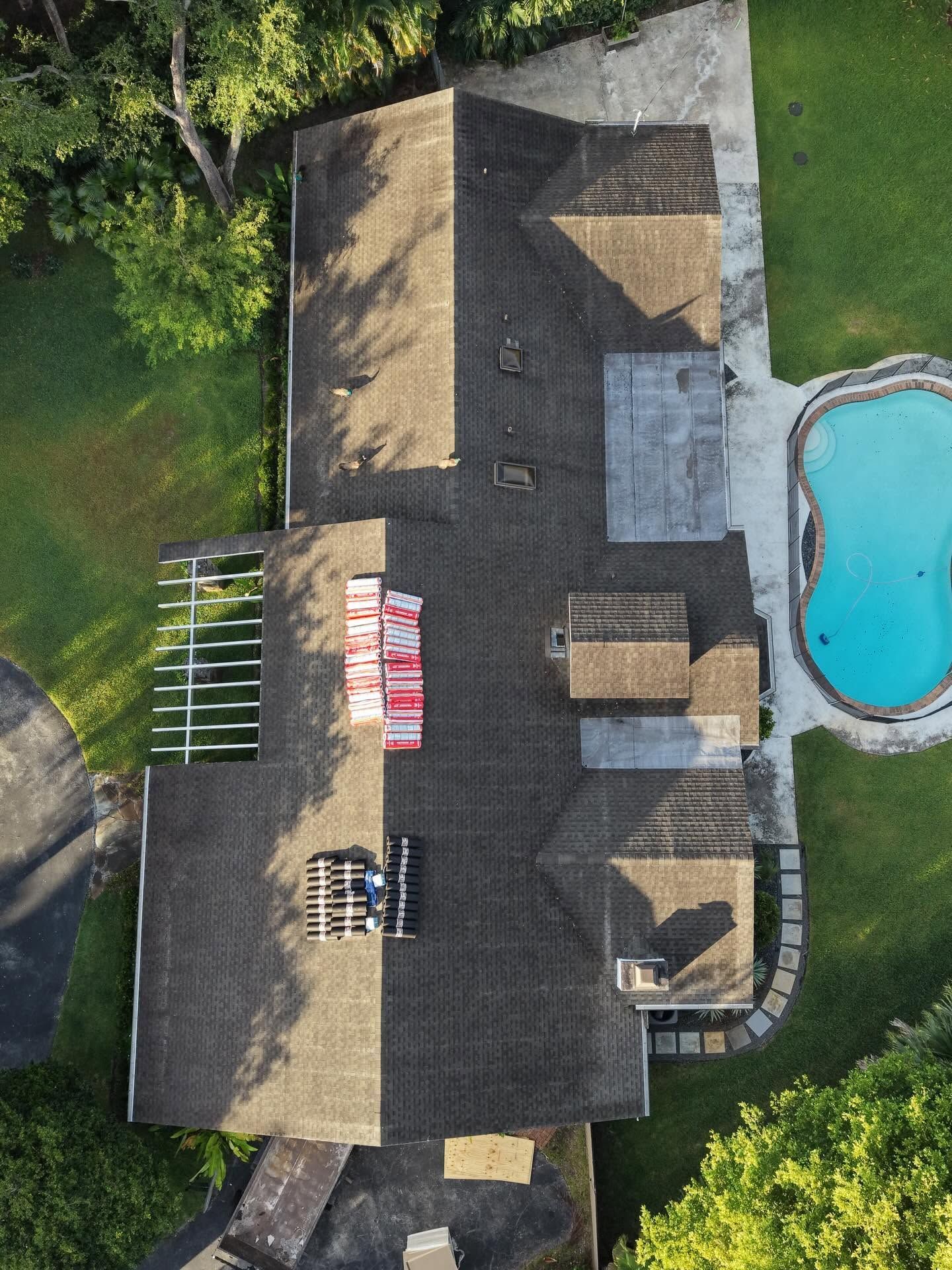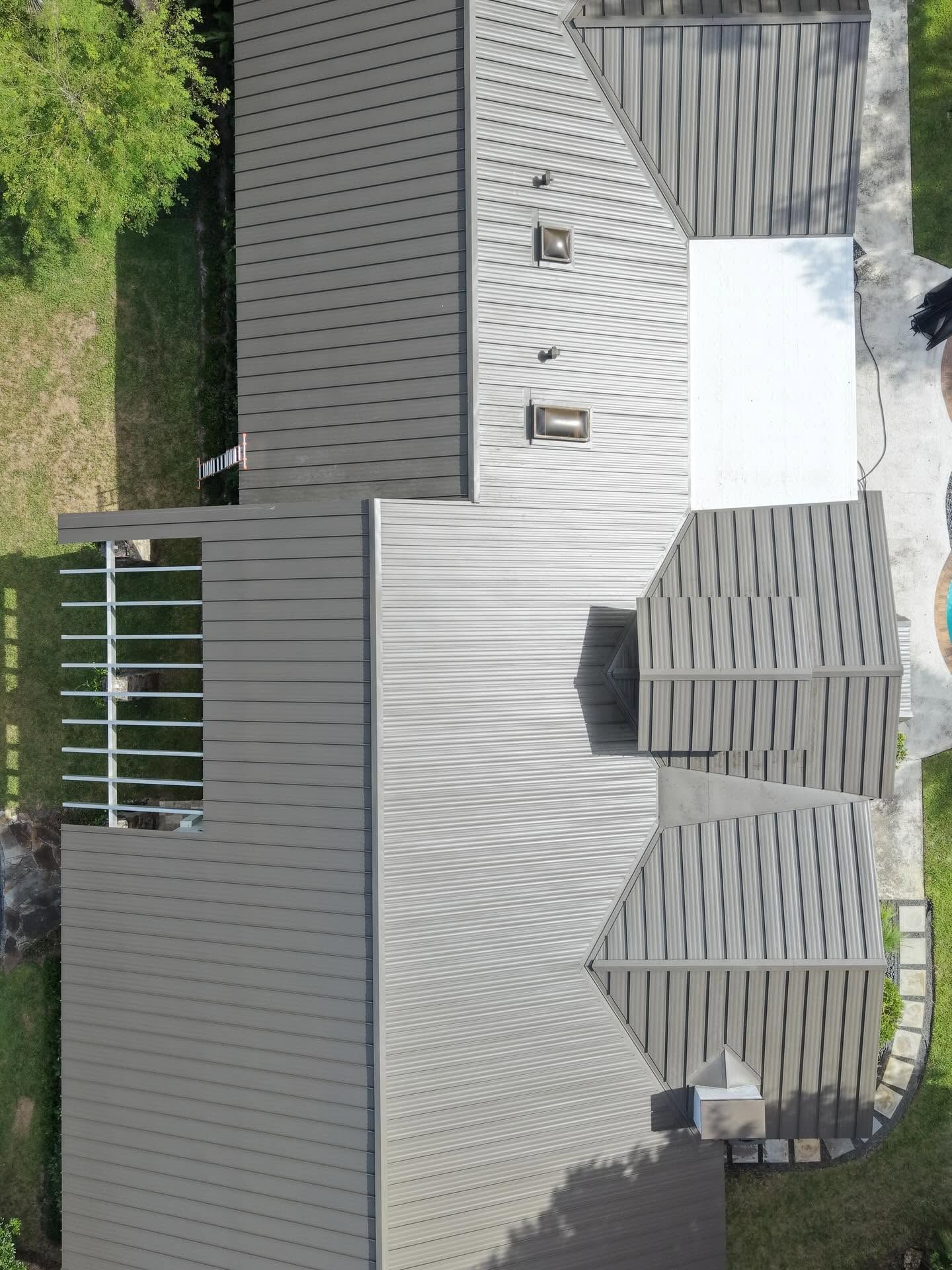
New Roofs Built for South Florida Properties
Roof installation in Miami Gardens for residential and commercial properties replacing failing tile or aging flat systems
South Florida's residential housing stock shifted heavily toward tile roofing during the construction booms of the 1970s through 1990s, and many of those roofs have now entered a maintenance cycle that insurance carriers are no longer willing to fund indefinitely. Triton Roofing Experts installs metal, shingle, and flat roof systems in Miami Gardens, with metal roofing accounting for approximately 80 percent of residential installations because homeowners are transitioning away from tile to stop the recurring leak-and-repair pattern that tile develops and to satisfy carrier requirements that increasingly treat aging tile as uninsurable. That shift is not a trend—it is a direct response to how carriers in this market are classifying tile roofs built before 2000.
Roof installation in Miami Dade requires three separate inspections per project, which structures the timeline in a way that differs significantly from most other states: a tear-off inspection before removal begins, an in-progress inspection once the deck is exposed, and a final inspection after the system is fully installed. Triton Roofing Experts manages each of those phases, coordinates with the permitting office, and selects materials based on the property's specific location—aluminum for homes within half a mile of the ocean, Galvalume 24 gauge for inland properties where coastal salt corrosion is present but at lower intensity. Concealed fastener systems are installed seamless, which removes the exposed penetration points that standing seam with visible screws creates over time.
Arrange a free roof inspection to review your current system and get material and pricing options specific to your property.
Why Material Selection Depends on Property Location
The distinction between aluminum and Galvalume is not cosmetic—it is a corrosion engineering decision. Aluminum is naturally resistant to the chloride-heavy salt air that concentrates within a half mile of the coastline; Galvalume, which is a zinc-aluminum alloy coating over steel, performs better cost-effectively at inland distances where salt exposure is lower but still present. Triton Roofing Experts recently completed an aluminum installation in the Keys where salt corrosion had accelerated the failure of a previous steel system—that project illustrates why matching the alloy to the exposure zone matters in practice, not just in specification sheets.
Once a metal roof is installed with concealed fasteners, the visible result is a clean, uninterrupted panel run without exposed screw heads that can back out or allow water intrusion at the fastener point over time. The practical difference you notice is that there are no annual maintenance visits needed to re-torque or re-seal fasteners. Metal systems rated for a 50-year lifespan also affect insurance eligibility—carriers that have issued cancellation notices for tile frequently accept metal as a qualifying replacement material.
Financing is available for qualified installations, and the project scope includes permit management, coordination of all three required inspections, and material disposal. Triton Roofing Experts holds its own contractor license rather than operating under a borrowed license, which matters for permit submissions in Miami Dade where license verification is part of the permit approval process.
What Property Owners Ask About the Installation Process
The questions below address how new roof installation works in Miami Gardens, including the permitting requirements and material decisions that are specific to properties in this county.
What happens during the tear-off inspection before work begins?
The inspection confirms existing roof conditions and documents the deck before removal starts, establishing the baseline that the permit office requires before the tear-off phase can proceed. Skipping or sequencing this incorrectly results in a failed permit and project delays.
How does the three-inspection requirement affect how the project is scheduled?
Each inspection requires a separate visit from the local inspector, which means the installation timeline includes mandatory hold points between phases—work cannot legally proceed past tear-off or past deck exposure until the inspector signs off. Triton Roofing Experts coordinates the scheduling of each hold point to minimize the total project duration.
Why is aluminum specified for coastal properties instead of standard steel?
Aluminum forms a stable oxide layer in salt-air environments that resists chloride-driven corrosion, while uncoated or minimally coated steel corrodes significantly faster when chloride concentrations are high. For properties within half a mile of the ocean in Miami Gardens or surrounding coastal areas, aluminum is the appropriate specification.
What is included in a concealed fastener installation versus an exposed fastener system?
Concealed fastener systems use clips attached to the deck structure, with panels locking over the clip, so no fastener penetrates the weather surface of the panel. Exposed fastener systems drive screws through the panel face, which creates potential leak points as the rubber washers at each screw degrade over time.
How does the condition of the existing deck affect what the installation involves?
If the deck shows soft spots, delamination, or moisture damage revealed during the in-progress inspection, those sections require replacement before the new system is installed. The in-progress inspection is the point at which deck condition is formally assessed, and any required deck work becomes part of the permitted scope.
Triton Roofing Experts also installs roofs in Miami, Aventura, Coral Gables, Palmetto, and Homestead. To get a property-specific material recommendation and written estimate, call (305) 239-6995 and schedule your free assessment.