A Roof Built to Outlast the Tile Cycle
Metal roofing in Miami Gardens for homeowners facing insurance pressure, tile maintenance costs, or repeated leak cycles
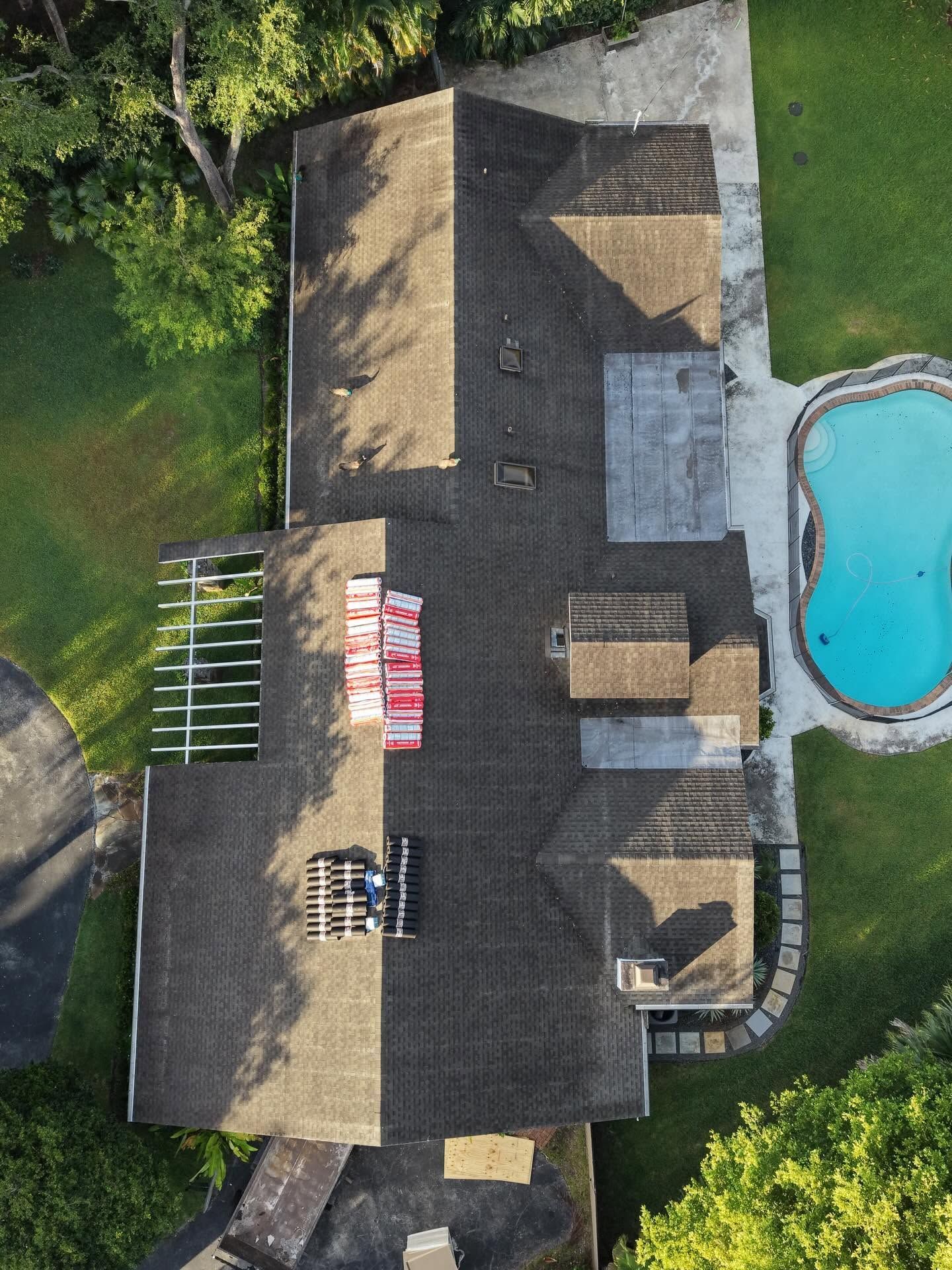
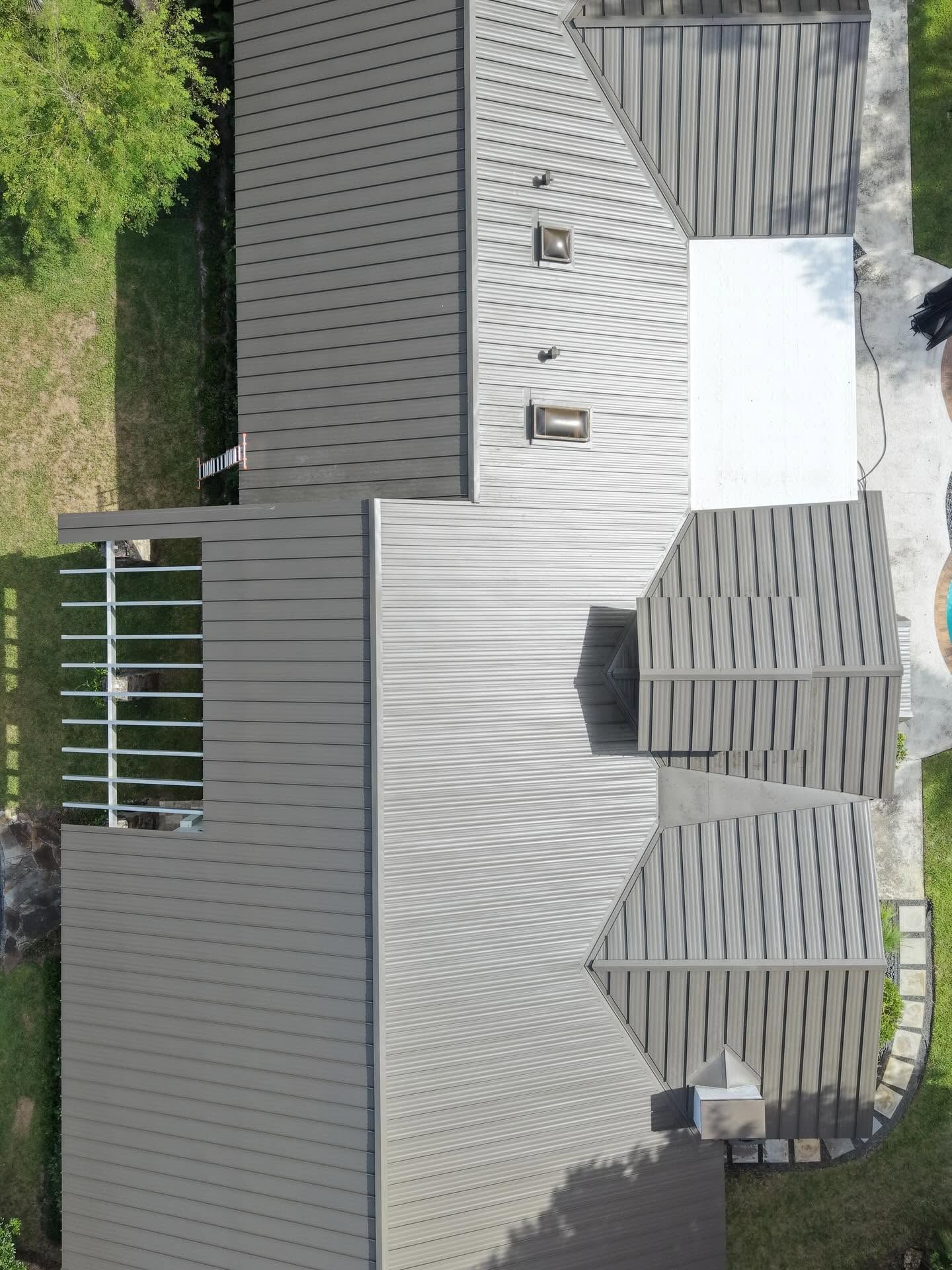
Tile roofs that leak on a two-year cycle, paired with insurers threatening cancellation or steep premium increases, are pushing Miami Gardens homeowners toward a roofing system that eliminates both problems at once. Metal roofing is what Triton Roofing Experts concentrates on—it accounts for 80 percent of the company's residential work—and the system installed is seamless with concealed fasteners, meaning no exposed screw heads to back out or rust through and no seams where water finds its way in. A metal roof installed correctly carries a 50-year service life and requires none of the periodic maintenance that tile demands.
Material specification starts with location. Homes within half a mile of the ocean receive aluminum panels, which resist salt corrosion in coastal air that accelerates the degradation of other metals. Inland residential properties are specified with Galvalume 24-gauge steel, which offers structural rigidity at a proven gauge for the load and wind requirements Miami Dade county enforces. That distinction matters because a single metal product specification does not serve all locations equally, and the difference between an aluminum and a Galvalume installation is not cosmetic—it determines how the roof performs over decades, not just years.
Request a free inspection to review your current roof condition and receive a specification for the metal system suited to your property's location and layout.
What Metal Roofing Actually Accomplishes
The seamless, concealed-fastener system Triton Roofing Experts installs addresses the two main failure modes that affect exposed-fastener metal roofs: fastener-driven leaks as screws back out over time, and seam failures where panel ends overlap. A continuous panel running the full length of the roof slope with no mid-run joints eliminates both of those entry points. The concealed clip that holds each panel to the deck allows thermal movement without stressing the fastener, which is why this system maintains its weather tightness over the full service life rather than developing the slow leaks that characterize older metal roofing methods.
Once installation is complete, the visible change is immediate: a clean, continuous surface with no exposed hardware, no protruding screw heads, and no tile that can crack, lift, or slip. Beyond the surface appearance, the energy efficiency improvement is measurable at the utility level—metal panels reflect radiant heat rather than absorbing and transferring it into the attic space the way dark-colored tile does. Homeowners also report that the noise concern they had going in does not materialize; the system is installed over solid decking, which absorbs impact sound without transmitting it into the living space.
Metal roofing at this specification level satisfies the insurance requirements that are forcing many Miami Dade homeowners to act. Carriers evaluating roof age and condition are more likely to continue or write coverage on a metal roof with a documented 50-year lifespan than on a tile roof already mid-cycle through its underlayment life. The system also qualifies for energy efficiency considerations that tile does not, which affects both utility costs and the overall value calculation for the replacement.
What Property Owners Ask About Metal Roofing
These questions address how metal roofing systems are specified, installed, and evaluated for residential properties in Miami Gardens and the surrounding Miami Dade area.
How is the right metal material selected for a specific property's location?
Properties within half a mile of the ocean are specified for aluminum panels because salt air corrodes steel-based products significantly faster than aluminum. Inland properties use Galvalume 24-gauge steel, which provides the structural weight and wind resistance appropriate for Miami Dade's building code requirements without the premium cost of aluminum where corrosion is not the primary concern.
What does a concealed-fastener system mean in practice, and why does it matter?
In a concealed-fastener metal roof, the clip that secures each panel to the deck is hidden beneath the overlap of the adjacent panel, so no fastener is exposed to the weather. Exposed screws back out over time as the metal expands and contracts, creating leak points that require ongoing maintenance; concealed fasteners eliminate that failure mode entirely.
How does a metal roof perform differently from tile for Miami Dade homeowners dealing with insurance issues?
Metal roofing with a documented 50-year lifespan is viewed by most carriers as a lower risk than tile that is mid-life on its underlayment. The roof's age, condition, and material type factor directly into underwriting decisions, and a new metal installation resets that calculation in a way that tile repair cannot.
What is the noise level of a metal roof on a typical Miami Gardens residential home?
The panels are installed over solid decking, which absorbs and dampens impact sound. On a roof with proper decking and underlayment beneath the panels, rain noise is comparable to what tile produces and is not audible as a distinct disturbance inside the home.
How does the energy efficiency of metal roofing compare to the tile it replaces?
Metal panels reflect radiant energy rather than absorbing it, which reduces the heat load transferred into the attic space. This produces a measurable difference in cooling load during high-sun periods—an effect that tile, especially darker-colored tile, does not provide because tile absorbs and slowly releases heat throughout the day.
Triton Roofing Experts is ready to inspect your current roof and provide a written specification for the metal system that fits your property's location, layout, and insurance requirements. Triton Roofing Experts also installs metal roofing in Miami, Aventura, Coral Gables, Palmetto, and Homestead. Call (305) 239-6995 to schedule your free assessment.