Leaks That Get Worse Without Early Action
Roof repair in Miami Gardens for active leaks, missing materials, and damage identified before costs escalate
Triton Roofing Experts provides roof repair for residential and commercial properties in Miami Gardens, covering everything from locating the leak source to completing structural repairs that pass Miami Dade county inspection requirements. Tile roofs, which dominate the housing stock across Miami Dade, are rated for 20 to 25 years but develop leaks on a much shorter cycle—often every two to three years—making early intervention more cost-effective than waiting for visible interior damage. When water appears on a ceiling, the entry point is almost always somewhere other than directly above the stain, and finding it accurately is what determines whether the repair holds.
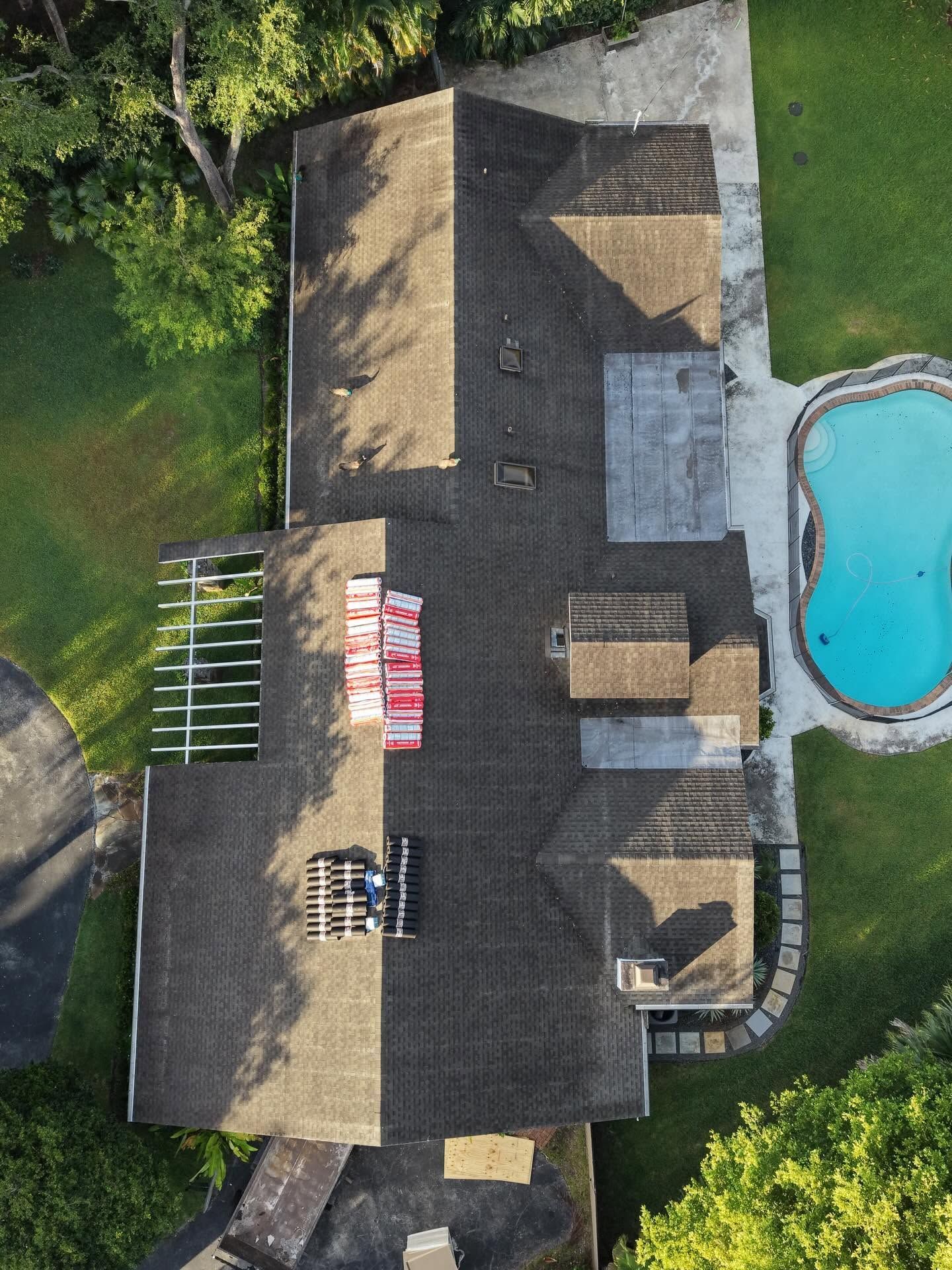
The process begins with a no-cost inspection where a crew documents the roof condition with photos, identifies the leak source, and produces a written estimate before any work is scheduled. If the damage is structural rather than surface-level, repairs are staged to meet Miami Dade's inspection requirements, which govern the sequence of work rather than just the final result. Triton Roofing Experts holds its own contractor license and manages the permitting and inspection workflow for Miami Dade, Broward, and Palm Beach counties directly.
Arrange a free roof inspection to get a documented assessment of current damage and a written scope of repairs.
How Roof Repair Is Done Correctly
Accurate repair work starts at the inspection stage, not the repair stage. Photographing the damage from the deck level and the interior gives the crew two reference points for locating the breach, which matters on tile roofs where water travels horizontally along the underlayment before dropping through. Once the entry point is confirmed, the repair scope is defined—whether that means replacing individual tiles, relaying a section of underlayment, resealing penetrations at pipe boots or vents, or addressing flashing at valleys and wall junctions where tile roofs most commonly fail.
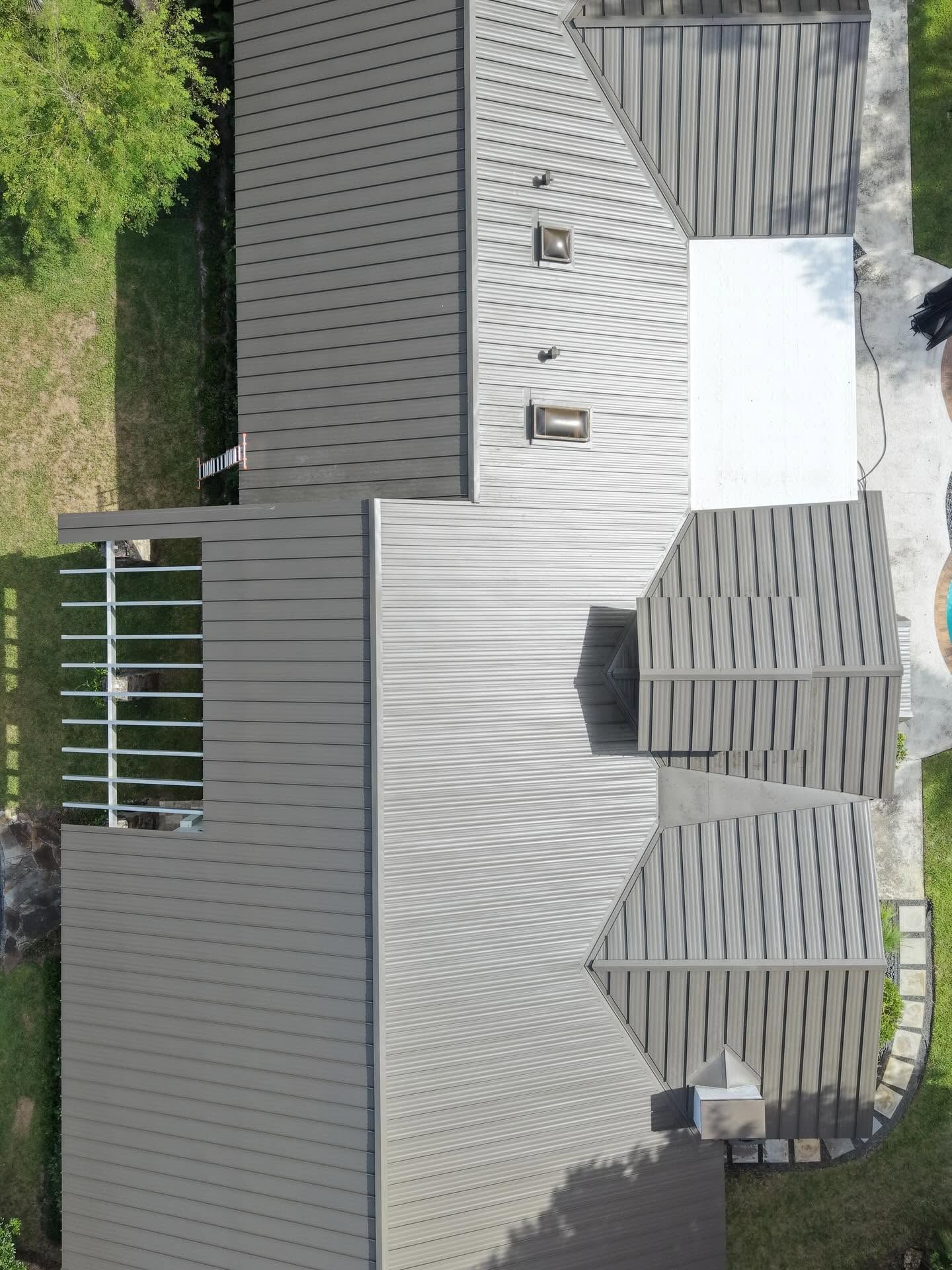
After the repair is completed, the visual markers that brought the problem to your attention—staining around vents, lifted or cracked tiles, gaps at ridge lines—are addressed as part of the finished scope. Interior ceiling stains do not disappear immediately, but the active moisture intrusion stops, and that is what prevents drywall, insulation, and framing from accumulating ongoing damage. Homeowners in Miami Gardens who are managing insurance renewals benefit from documented repair records because carriers increasingly require proof that identified damage has been resolved before continuing or reinstating coverage.
Not every damaged roof qualifies for repair over replacement, and the inspection identifies that distinction honestly. Roofs with widespread underlayment failure, decking rot, or structural compromise are flagged in the written estimate with an explanation of why a partial repair would not produce a lasting result. That determination shapes what the crew proposes, not the reverse.
Common Questions About Roof Repair Work
These questions address how repair work is scoped, sequenced, and performed on the roof types common to Miami Gardens and surrounding Miami Dade properties.
What happens during the free roof inspection, and how is the damage documented?
The crew photographs the roof surface, ridge line, penetrations, and any interior evidence of water intrusion, then produces a written estimate that identifies the specific failure point and the materials needed to address it. That documentation also serves as a record if your insurer requests evidence of the damage condition before repair.
How does the crew determine where a roof is actually leaking when the interior stain is not directly below the damage?
On tile roofs, water typically enters at a flashing joint, a cracked tile, or a failed pipe boot and then runs along the top surface of the underlayment before dropping through—sometimes several feet from the entry point. The inspection traces the water path from the interior stain upward and outward rather than working directly above it.
When does a roof repair require a Miami Dade county inspection, and what does that involve?
Structural repairs—work that involves replacing decking, modifying framing, or relaying underlayment over a significant area—trigger the county inspection requirement. Triton Roofing Experts handles the permit application and schedules the inspection sequence so the work is approved at each required stage before proceeding.
What does a completed tile roof repair look like, and how do you confirm the leak is resolved?
Replaced or reset tiles sit flush with the surrounding field, flashing is sealed flat at wall junctions and valleys, and there are no visible gaps at the ridge or eave line. Confirming the repair holds typically involves a follow-up check after the next rain event, which the crew accounts for in the repair scope.
Why do tile roofs in Miami Dade require more frequent repair than their rated lifespan suggests?
The tile itself may last 20 to 25 years, but the underlayment beneath it has a shorter service life, and the fasteners, flashing, and sealants at penetrations degrade faster than the tile. Most leaks on residential tile roofs in this area originate at these secondary components rather than the tile surface itself.
Triton Roofing Experts is available to inspect your roof, document the condition in writing, and provide a repair scope before any commitment is made. Triton Roofing Experts also performs roof repair in Miami, Aventura, Coral Gables, Palmetto, and Homestead. Call (305) 239-6995 to schedule your no-obligation inspection.